April 28, 2026
Coming Soon! Episode 39 - Early Readers in the Arena - Theodore Roosevelt Books for Kids
Coming Soon! Episode 39 - Early Readers in the Arena - Theodore Roosevelt Books for Kids
Theodore Roosevelt Association Children's Book Prize Committee Chair, Duane Jundt, joins hosts Kurt Skinner & Larry Marple to discuss some favorite children's literature related to Theodore Roosevelt.
We interviewed author Margaret Porter Griffin, the author of "The Amazing Bird Collection of Young Mr. Roosevelt" which was published in 2014. Below is a transcript of that interview.
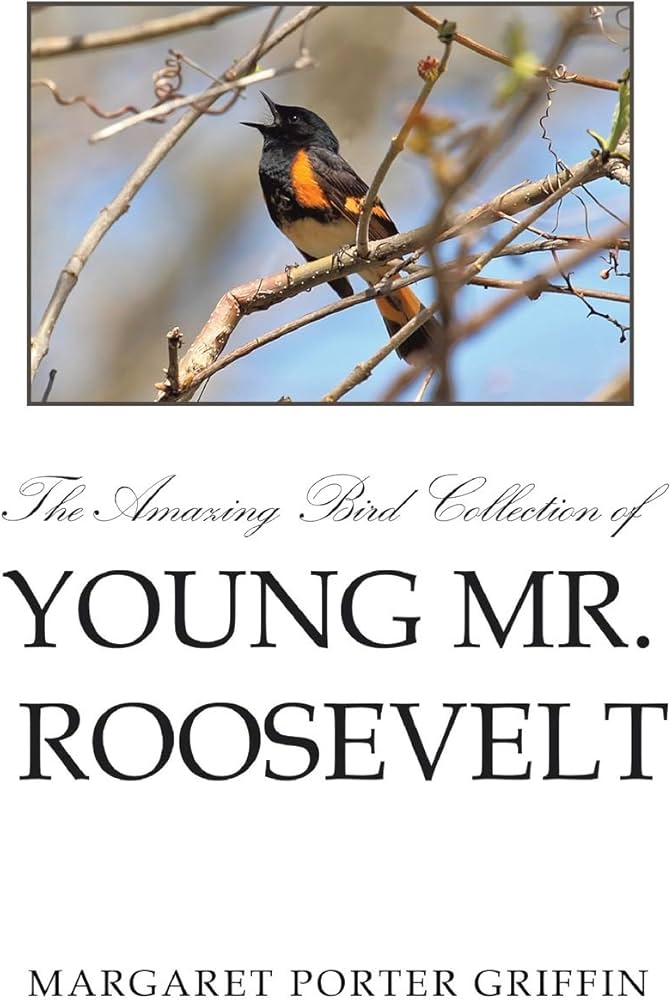
Kurt: We're delighted to have Margaret Porter Griffin with us today. She's the author of The Amazing Bird Collection of Young Mr. Roosevelt that was published in 2014. Thanks for being with us, Margaret.
Margaret: I am glad to be here.
Larry: Welcome Margaret.
Kurt: Margaret, what is your background and what led you to write this book about Theodore Roosevelt and his bird collection?
Margaret: I'm a retired fifth grade teacher and I read the book "Mornings on Horseback" by David McCullough, and I found our 26th president just fascinating, so much so that I applied for a teacher grant from the Lilly Foundation to study his life.
Larry: What led you to want to write a children's book? Especially one that was particularly focused on Theodore Roosevelt and even more specifically focused on his bird collecting.
Margaret: I found out that Theodore was a precocious child who became a precocious adult and leader, and I was fascinated by the way he learned from independent study. That's what I encouraged my fifth graders to do. From his eighth birthday to his 18th birthday, Theodore also learned from tutors because he couldn't go to public or private school due to his poor health. His father was a Northerner, and his mother was a belle from the South during the Civil War, which was very interesting. These upper-class parents took their four children to the country in the summers, and they exposed them to the fresh air and natural environment that was very different from their life in Manhattan. Theodore made friends as they grew that shared his interests. He got to travel in Europe and Africa, which gave him a very wide worldview.
Kurt: Could you tell us how you conducted your research for the book?
Margaret: When I got the grant, I was able to plan trips in the summer of 2003 to Manhattan, Long Island, Washington DC, and North Dakota. We spent a lot of time in libraries and historic houses, visited Harvard and also upstate New York. We went to the birthplace again in Manhattan. It's so indescribable to see primary resources including Theodore's journals, his letters, and his college papers. I was holding and reading the real thing including a letter from Mary Todd Lincoln to Theodore's dad and Theodore's actual first writing on insects.
Larry: Could you give us a brief overview of your book?
Margaret: Sure. It details Theodore Roosevelt's life between ages of eight and 18. I thought it was very fascinating because he was an independent learner. His parents took the kids to summer homes in the country where they all learned about nature, but Theodore especially did. At first, I was going to write about his entire life. And you know, that's a long book and it's already been done by several good writers. So I just focused on those 10 years. We would call him gifted and talented today. He learned by a number of ways and he was curious. He learned from playing. He looked up to his mentors and actually went to taxidermy lessons from an associate of Audubon. Theodore was reading all the time. He was always making observations. He sketched his subjects - birds and other animals and nature in his letters and his notebooks. He would take a lot of risks. I don't know why he didn't die during his life, you know? But he was always willing to pay the piper if he thought something was worthwhile. He created a natural history museum at home when he was eight. He was also sharing information with his family. Being educators, I think that changes the way you write the book. You have all those takeaways that you hope young readers will maybe emulate the life of a young Roosevelt by being intellectually curious and willing to take chances. I think we need a little bit more of that in our early education.
Kurt: Do you have a favorite story? One that really stands out to you as just incredibly interesting that you came across in writing the book.
Margaret: Theodore had a friend named Freddie Osborne and they took lessons together on stuffing birds. They worked on the American Museum of Natural History. Fred's brother was Henry Fairfield Osborne, who was later president of the American Museum of Natural History. Theodore and Freddie were good friends, and they had a teenage boys' club called the Natural History Society. I got to hold and read the notes from their club when they met. They took minutes and they gave reports. This was all on their own. The Houghton Library in Boston had this material. Freddie had an accident in the Hudson River just before he was to enter college. I think he was 15 years old. I was able to interview some ancestors of the Osborne family at the home where Freddie grew up. That was my favorite part of the book, the friendship between Theodore and Freddie.
Larry: What would you like readers to take away from your book?
Margaret: I would like readers of all ages to realize what kind of a person Theodore Roosevelt was. His father taught him to be morally sound and responsible because, you know, they were wealthy and he wanted to be responsible with the money that they had. I would also like people to know how Theodore learned about nature with his friends and family, taking them birding and on camping trips. Theodore Roosevelt is an awesome role model for everyone.
Larry: Well said Margaret.
Larry: Margaret, I know from speaking with you over the years that you met the legendary biographers of TR and Edith - Edmund and Sylvia Jukes Morris before their passing. Could you tell us about that, please?
Margaret: I think one word that would describe them is delight. They were so smart and talented and they were gracious. I got to talk with them at two Theodore Roosevelt Association national meetings. They also invited my daughter and I to their home overlooking Central Park. We were there for more research, and I had written to them. Every time we saw them, they remembered us on a first name basis. I also corresponded with Edmund about the content and the style of my book, which he called a "boys' book." He said, "Good luck on your boys' book."
Kurt: Margaret, we sure appreciate you being with us to talk about your book and the research and the writing process of the Amazing Bird Collection of Young Mr. Roosevelt.
Larry: Yes, we really appreciate you joining us and sharing about your book. Thank you, Margaret.
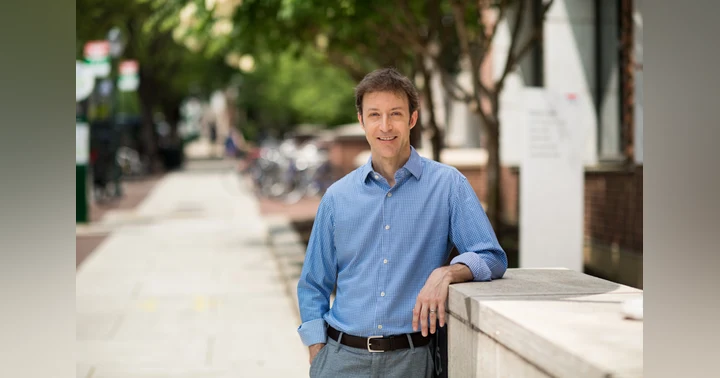
Kermit Roosevelt III episode 29 coming soon!!
Kurt and Larry recently had the opportunity to speak with University of Pennsylvania Constitutional Law Professor Kermit Roosevelt III about his great-great grandfather, Theodore Roosevelt, and the US Constitution.
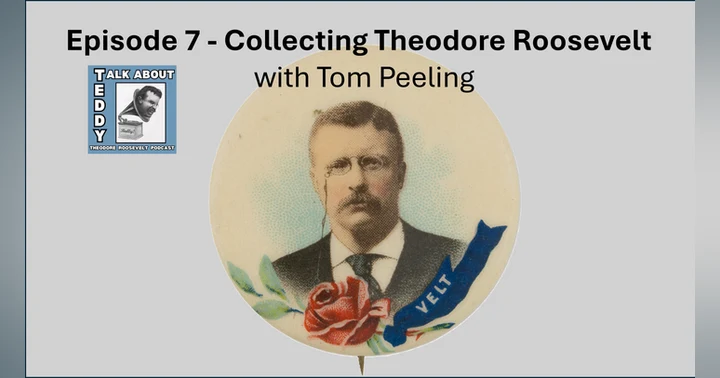
Upcoming Episode 7 - Collecting Theodore Roosevlet
Larry and Kurt are joined by TR collector Tom Peeling - episode release date March 13th!


